
What Play-Based Learning Really Means in Child Care
January 10, 2026
What Play-Based Learning Really Means in Child Care
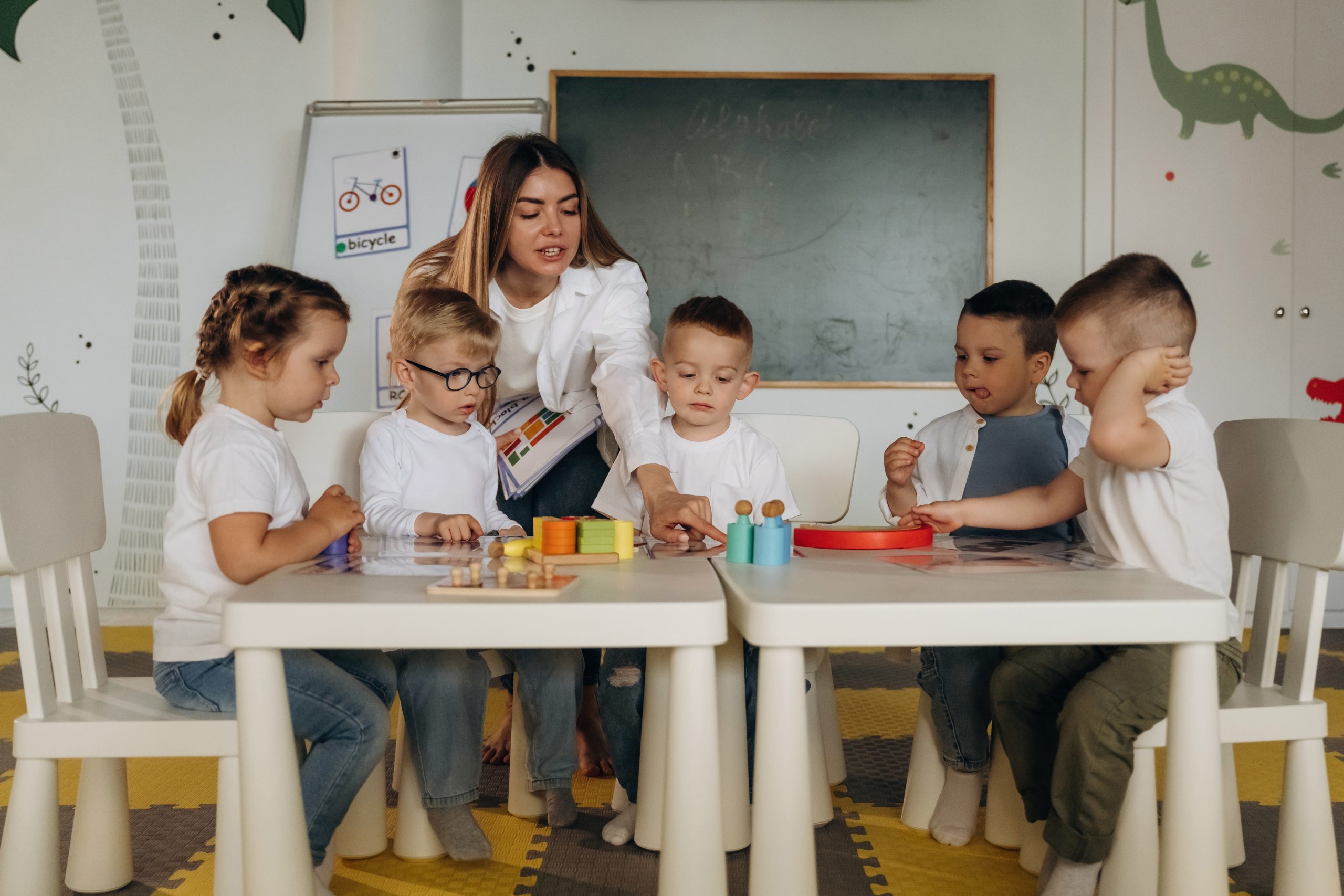
“Play-based learning” can sound like a buzzword, but it’s actually a practical approach: children learn best when they’re engaged in meaningful play, supported by caring adults and a predictable routine.
It’s not “just playing”
In quality child care, play is how children practice real skills communication, problem-solving, self-regulation, and confidence through everyday activities.
The adult’s role is to guide, observe, and create the right environment so play turns into learning.
The four foundations (Ontario’s approach)
Ontario describes early learning through four foundations that children should experience every day:
Belonging: Feeling connected and included.
Well-being: Supporting physical and mental health, routines, and self-regulation.
Engagement: Being curious, focused, and involved through play and inquiry.
Expression: Communicating feelings and ideas in many ways (words, art, movement, etc.).
What it looks like in a real day
Play-based learning often shows up as:
Open-ended toys and activities (blocks, puzzles, pretend play).
Storytime, music, and conversations that build language naturally.
Outdoor play that supports strength, coordination, and confidence.
Calm routines (meals, rest, transitions) that help children feel secure.
What parents can ask to understand it better
If a provider says they’re play-based, ask:
“What does a typical day look like?”
“How do you support children who are having a hard day?”
“How do you share updates with parents?”
How BeyondCrayons fits in
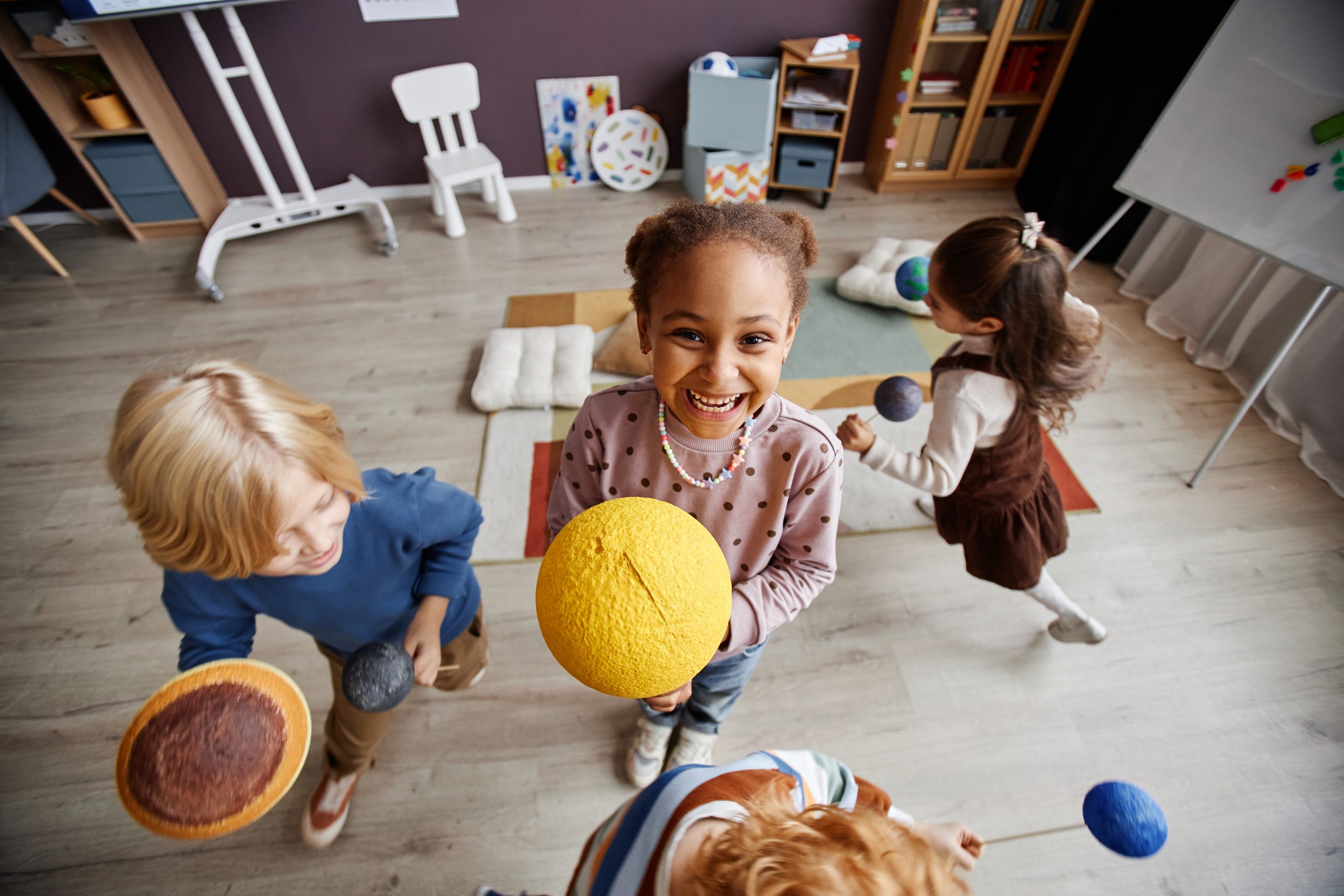
BeyondCrayons helps families enroll and get matched with providers who support children through play, routines, and caring relationships.
After placement, we stay involved so communication stays clear and care stays consistent.